.png)
How to Choose a Fishing Rod
When I bought my first fishing rod, the type of fish I was chasing and my budget were the two major limiting factors. And, while my collection of rods has expanded, those factors are still key considerations when I choose a new fishing rod.
People have been using fishing rods for thousands of years – going as far back as ancient China and Egypt. Over time, rods have evolved into myriad products that vary in weight, flexibility and the material they are constructed from.
If you're just starting out and looking at buying your first fishing rod, the sheer number of available options can be pretty confusing. Luckily, a little bit of research is all that’s required to help you choose the right fishing rod for the job – and this is a great place to start.
In this buyer’s guide, we explain how to choose a fishing rod based on your target species and fishing environment.
Things to consider when choosing a fishing rod
The most important things to consider when choosing your fishing rod are what species you are targeting and how you are going to target them.
You might be focusing your efforts on a particular fish or you may be looking for a multi-purpose rod to target many different species. Asking yourself a few key questions will help you refine your search for the right rod.
-
Are you a land based angler?
-
Are you intending to fish from a kayak or boat?
-
Are you fishing off the beach or rocks?
-
Are you wading up a mountain stream or traversing off the beaten track?
-
Do you like to travel and pack a rod with you?
-
Do you fish off jetties and piers?
-
What body of water are you going to be fishing?
This may seem complicated but it doesn’t have to be. Buying a rod just requires a good understanding of what you’re fishing for and the environments you plan to spend most of your time exploring.
For a great overview of all the gear you'll need to start fishing, check out our "Getting Started" section.
Choosing a rod to match your preferred fishing method
We’ve taken care of the ‘where’ and the ‘what’, now we need to think about ‘how’.
How we are targeting a species of fish or fishing a body of water.
-
Are we using lures, bait, or both?
-
Are we casting, and if so, where are we fishing?
Fishing rods are typically designed to suit a particular method and are defined by the type of reel or rig that works most effectively with that setup.
Typically, rods are put into categories of spinning, baitcasting, surf, telescopic, levelwind and fly.
Spinning rods
Spinning rods are the most common type of rod and suit a range of applications. A spinning reel is fitted underneath the rod making it a very versatile rod and reel combo suitable for lure casting and bait fishing. Depending on the weight class of the outfit, a spinning rod can be used to target a wide range of small to medium-sized fish species from the shore, and they are well suited to boat and kayak fishing.
Baitcasting rods
Baitcasting rods are an alternative to spinning rods and are quite versatile but recommended for the more experienced angler. Ever heard of a ‘bird’s nest’? Amateurs can very quickly be turned off by a baitcasting rod and reel combo, because without the proper handling, they are prone to tangling on the spool. But for an experienced angler, they offer even greater accuracy when casting and more control when handling a fish.
Surf rods
Surf rods, as the name suggests, are designed specifically to suit surf fishing (but they are ideal for fishing off rocks as well). The longest of the rod family, surfcasters can be up to 4-5 metres long and are used from the shore to cast extremely long distances past the breaking waves to where the fish like to feed. Surf rods are usually used with big eggbeater reels or centerpin style reels to tackle big fish and cope with the added weight when pulling your catch in through the waves. To transport them easily, surfcasters can be broken down into multiple pieces.
Telescopic rods
Telescopic rods are designed to suit an angler’s lifestyle where either: a) they are on the road a lot and a telescopic rod fits perfectly in the trunk of a car; b) they can’t travel or adventure without taking a fishing rod or, c) don’t have much storage space at home. The technology of telescopic rods has come a long way. Gone are the days of flimsy plastic-feeling rods: now there are some terrific telescopic and travel rods on the market suitable for small to medium-sized fish, typically designed for use with spinning reels.
Trolling rods
Trolling rods are the classic boat fishing rod. They are engineered to work in perfect unison with a trolling reel, and are usually slightly shorter and more powerful than casting rods. They are for fighting big species of deep sea fish and sportfish. You won’t be doing much casting with a trolling rod and reel combo: just drop your line and wait for the bites to come.
Fly rods
Fly rods are specifically designed for use with a fly reel when fly fishing. Fly fishing is very different to other traditional forms of fishing. It is often likened to hunting where stealth, patience, and a lot of skill is required in casting a fly to mimic what the target species is feeding on. Fly rods are not just geared up for trout fishing in mountain streams and freshwater lakes – there is an abundance of rods, reels, lines, and flies to suit fishing everything from bass to bream, barra and beyond.
Kids rods
The first thing to consider when choosing a fishing rod for a child is the size. If the rod is too big for your kids to handle, they will become frustrated and may lose interest. While target species and fishing environment should still factor into your decision, an all-rounder rod, or rod and reel combo, (such as a light, spinner rod and reel combo) is usually a good choice when buying for kids – after all, it will probably need to be replaced with a larger model as your child grows.
For a quick reference, check out this infographic which breaks down the major rod types, explaining where they are most commonly used, the type of reel they are best suited for and the relationship between rod action and power.
What features to look for when buying a fishing rod
You’ve researched your target fish: you now know where the fish lives, its life cycle and feeding habits, and you have a good idea of the best fishing method to use. This is a great a start to choosing your rod.
Now you need to consider the length of the rod, action, weight class, and the materials used in its construction.

Rod action
At the most basic level, a modern fishing rod is a long pole which tapers from the butt to the tip. Fishing line is fed from the reel through the guides / runners and out through the tip guide.
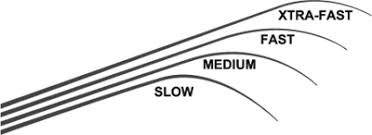
Action describes how much a rod flexes along its length and how quickly the rod tip returns to a neutral position when flexed. Rod action is affected by the rod’s taper, length, and the material the blank (core) is made from. A fishing rod's action affects not only the type of fishing it is best suited to, but how it will handle a fish.
Rod taper and length
Taper and length play a big part in the action of a fishing rod and, along with understanding your target fish and the method you will use to catch them, will help determine which rod to choose.
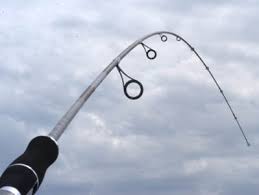
Most rods on the market are progressive tapering from butt to tip to allow for an even rod action.
-
A long, thin, lightweight rod (7 - 10 foot) will generally be suitable for smaller species. A long rod also helps with casting as the bending of the rod somewhat acts like a catapult to launch the lure or bait. Lightweight rods will typically have a slower action allowing for minute adjustments when handling smaller fish species.
-
A short, solid rod (5 - 7 foot) will be more suitable for a heavier line weight class and capable of handling bigger species, but is not ideal for casting. The extra stiffness, weight and less dramatic taper make the action quicker, providing good power while fighting strong, heavy fish.
-
Rods in-between may be best suited as multipurpose, offering a good balance between action and power.
The action of a rod can also be influenced by whether the rod is a one-piece, two-piece, telescopic or a travel rod made up of multiple pieces.
While it is undeniable that a one-piece rod offers the ultimate performance in fishing rod action, it may not be the most practical rod to suit your lifestyle. E.g. owning a small hatchback and having a one-piece 7ft rod is not ideal — it likely won’t fit in the car.
Weight class
A rod’s weight class is generally measured by the maximum line weight recommended and is shown on the rod in kilogrammes or pounds.

A 2lb~6lb weighted rod suggests that you are targeting fish using up to 6lb rated fishing line. Lure weight is also sometimes marked on the rod indicating the maximum casting weight for that rod. Both of these measurements should help you determine what size reel and what line weight to pair with your rod.
Construction materials
Modern fishing rods are made from carbon, fibreglass, graphite, and composite materials; each displaying their own characteristics and influencing the rod’s overall action and feel.
The rod grips and guides / runners are also made from a host of different materials and while there are some technical differences and advantages, it may just come down to personal taste and how much you are willing to spend on your first rod. Materials like carbon fibre offer superior performance but might be outside your budget for your first fishing rod.
Summary
By understanding your target species and fishing destination, and by learning more about the way that length, taper, and weight class affect a rod’s action and power, you’ll be better equipped to choose the right fishing rod to suit the conditions.
More Equipment Tips:
 Fishing Tips Home